
Check the details before choosing an Adelaide venue
A practical guide to venue hours, location searches, gaming rules and the limits of online-play claims in Adelaide.
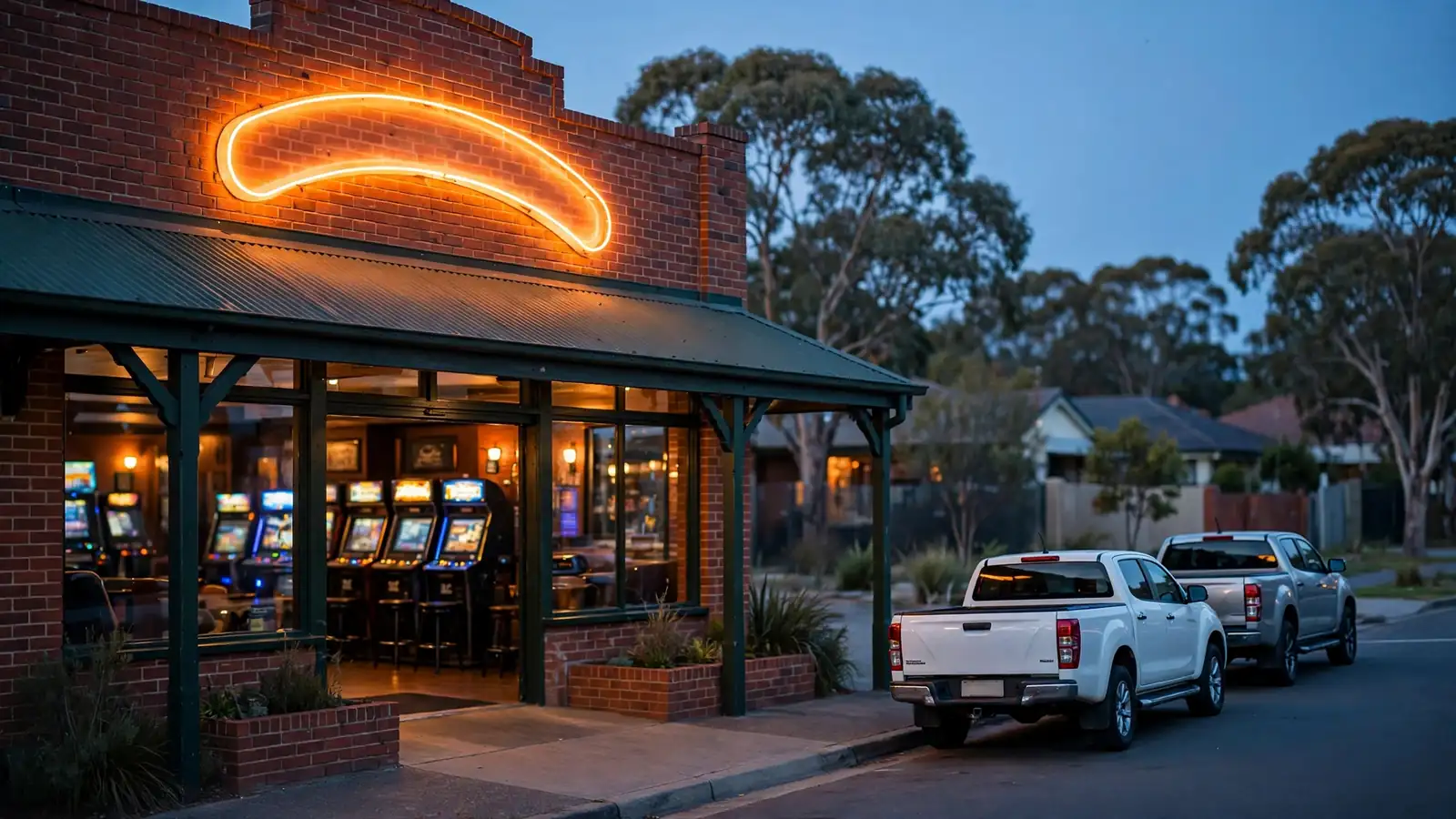
Before You Head Out: What “Open Now” Can and Can’t Tell You
A late-night listing can look reassuring right up until you reach the door and find the venue has different hours, a private event, or a gaming area that is not available when you expected. I’ve learned not to treat an “open now” label as a promise. It is a clue to check, not live confirmation that the pokies are operating or that you can walk straight in.
Online listings can help you narrow down which Adelaide venues to check, but the status shown may not reflect a change made by the venue that day. A venue’s general trading hours may also not answer the specific question you have: whether its gaming area is open at that moment. Don’t infer one from the other.
If timing matters, check the venue’s own current information and contact it directly before setting out. Ask plainly whether the gaming area is operating and whether there are any conditions on entry. That small step is less glamorous than trusting a neat green “open” label. It is also less likely to waste your trip.
What an opening label leaves out
A listing rarely tells you everything that could affect your visit. It may show a venue as open without confirming whether the area you want to use is accessible, whether a temporary change applies, or whether the information was recently checked. Even a venue’s own page can leave a detail unclear, so a direct call is useful when you need certainty.
I would keep the check simple: confirm the venue, confirm the gaming area, and confirm the timing you have in mind. If the answer is vague, don’t turn it into a definite yes in your head. “Open” can mean the doors are open; it does not necessarily settle every practical detail of your visit.
Searching for early or late access is much the same. A result that appears to fit the time you have in mind is not proof that the pokies will be available then. I wouldn’t plan a drive around a snippet or an old listing alone. Check first, especially if you are travelling specifically to play rather than visiting for another reason.
One other detail often gets bundled into these searches: payout percentage. Opening status cannot tell you what payout setting applies to a particular game. Those are separate questions, and a venue being open does not answer them. Keep the practical check about access separate from any claims about a game.
A transition in venue signage and records
There is also a venue-rule transition worth knowing about, though it does not tell you whether any particular place is open. A report published by regionriverina.com.au says venues have a one-month grace period to remove certain signage and introduce responsible gambling officers. Treat that as a transition period described in the report, not as a live update on an individual venue’s trading status.
The signage changes concern where gambling-related directions appear. Signs directing patrons to gaming lounges are to be removed when they are within sight of ATMs or EFTPOS terminals. Signs pointing patrons towards ATMs are to be removed when they can be seen from gaming machines. Those rules are about the placement of signs, not an announcement that a gaming area is closed or open.
The same report describes a gambling incident register that venues will be required to keep. It is intended to record incidents, including situations where a patron shows behaviour suggesting they may be at risk of gambling harm or affected by it. That is a record-keeping obligation for the venue; it is not a public schedule and won’t tell you when the doors are open.
So, if you spot signage being changed or notice staff handling a situation, don’t read that as a reliable signal about the venue’s hours. The transition concerns venue responsibilities and how gambling areas are signposted and monitored. For your own plans, current opening information still needs checking directly.
The practical version is boring, but it works: verify before you leave, and don’t assume a listing covers the gaming area as well as the venue itself. “Open now” is a starting point, not a guarantee.
What “Best” Means When Every Spin Is Random
Top operators
If you’re looking for pokies options to consider in Adelaide in 2026, use this list as a starting point for checking which operators’ stated details suit your needs. Review the available licensing, deposit and payout information before deciding.
-
Ricky Casino
- Payout speed
- crypto under 1 hour, PayID 1-3 business days
- Min. deposit
- A$20 (A$30 to qualify for the bonus)
Ricky Casino lists a A$20 minimum deposit, rising to A$30 to qualify for the bonus. Its stated payout times are under an hour for crypto and 1–3 business days for PayID.
-
SkyCrown
- License
- Tobique Gaming Commission
- Payout speed
- crypto ~10-15 minutes, fiat 1-5 days
- Min. deposit
- A$30
SkyCrown identifies the Tobique Gaming Commission as its licensing authority. It lists crypto payouts at around 10–15 minutes, fiat payouts at 1–5 days, and a A$30 minimum deposit.
-
LevelUp Casino
- License
- Curacao eGaming OGL/2023/174/0082 (Dama N.V.)
- Min. deposit
- A$15
LevelUp Casino lists a A$15 minimum deposit and identifies its licence as Curacao eGaming OGL/2023/174/0082, held by Dama N.V.
-
JustCasino
- License
- Curacao Gaming Control Board
JustCasino identifies the Curacao Gaming Control Board as its licensing authority. That is the available detail to consider when assessing this operator.
-
House of Pokies
- License
- international iGaming licence – jurisdiction not named in the source
- Payout speed
- PayID 1-24 hours
- Min. deposit
- A$30 (PayID from A$10)
House of Pokies lists an international iGaming licence, though the jurisdiction is not named in the available information. Its PayID payouts are stated as 1–24 hours; the minimum deposit is A$30, or A$10 when using PayID.
-
WinSpirit Casino
- License
- Curacao eGaming OGL/2024/923/0383 (Antillephone N.V.)
- Min. deposit
- A$30
WinSpirit Casino lists a A$30 minimum deposit and identifies its licence as Curacao eGaming OGL/2024/923/0383, held by Antillephone N.V.
-
Bizzo Casino
- License
- Curacao Gaming Control Board (TechSolutions Group N.V.)
Bizzo Casino identifies the Curacao Gaming Control Board as its licensing authority and names TechSolutions Group N.V. The available details do not provide further information about its deposits or payouts.
-
Kingmaker
- Payout speed
- crypto ~90 minutes, fiat 1-5 days
- Min. deposit
- A$30
Kingmaker lists a A$30 minimum deposit. Its stated payout times are around 90 minutes for crypto and 1–5 days for fiat.
-
Wild Tokyo
- License
- Curacao
- Payout speed
- crypto 30-60 minutes, fiat 1-5 days
- Min. deposit
- A$10
Wild Tokyo lists a A$10 minimum deposit and identifies its licence as Curacao. Crypto payouts are stated as 30–60 minutes, while fiat payouts are listed at 1–5 days.
-
LuckyVibe
- License
- Curacao Gaming Control Board OGL/2023/176/0095 (Hollycorn N.V.)
LuckyVibe identifies the Curacao Gaming Control Board as its licensing authority and lists licence OGL/2023/176/0095, held by Hollycorn N.V. No deposit or payout details are provided in the available information.
“Best” sounds like it should point to a clear winner. When you are comparing pokies in Adelaide, though, that word can hide several different ideas: a game someone enjoys, a feature they like, or a claim about how much it returns over time. Those aren’t interchangeable. I used to read “best paying” as if it meant a pokie was likely to pay me soon. That was wishful thinking dressed up as research.
One detail worth checking is the return-to-player setting, often shortened to RTP. A specialist review reports that some game providers let casinos choose from more than one RTP setting for the same pokie. If that applies to a particular game, its theoretical return percentage may differ between casinos, even though the game’s name and appearance are the same. So a figure attached to a game in one place cannot automatically be carried over to another.
That still doesn’t turn RTP into a prediction for your next session. It describes a theoretical return across a very large number of plays, not a promise about what one person will get back. The number can help explain a long-run feature of a particular setting, but it cannot tell you whether your next few spins will win or lose. A tidy percentage is not a forecast.

The other part is randomness. A pokie uses a Random Number Generator to determine each spin’s result, and a new spin does not remember the previous one. A run of losses does not make a win “due”; a recent win does not mean another is waiting around the corner. I’ve made both arguments to myself while trying to justify one more go. Neither was evidence. Just a hopeful story.
That independence also makes phrases like “hot right now” slippery. Someone may have seen a machine pay, or may be repeating what another player said, but that doesn’t establish what the next spin will do. A result that happened a moment ago is not a clue the game owes you a different result now. Annoying, yes. Useful to remember, also yes.
When someone calls a pokie the best in Adelaide, I’d want to know what they mean before taking the claim seriously. Are they talking about a published RTP setting, their personal preference, or a short streak they happened to notice? If the claim does not explain its basis, “best” is an opinion, not a reliable comparison. And if it gives an RTP figure without making clear which setting and casino it refers to, the comparison may not tell you much.
This matters whether you are thinking about pokies in the CBD, elsewhere in the city, or a casino venue you already know. A familiar title does not guarantee an identical return setting in every place. Nor does a higher theoretical RTP mean a machine will pay more during your visit. Those are separate questions: what setting is configured, and what happens in a particular sequence of spins. The second remains uncertain.
Do
- Question the basis of "best" claims
- Check for the specific RTP setting
- Remember that each spin is independent
Don't
- Treat "best paying" as a guarantee
- Assume a win is "due" after losses
- Trust a game's name as a return forecast
I’ve learned to pause when marketing language makes a game sound like a practical way to come out ahead. “Best paying” can sound like an instruction, but it doesn’t change how a random result is generated. If you want to compare a specific claim, look for the setting it refers to and whether the information is tied to that casino, rather than assuming a game’s name tells the whole story. If that detail is absent, there may be no sound basis for ranking it.
There is no dependable shortcut from a list of popular pokies to a guaranteed result. A ranking can reflect taste or a reviewer’s chosen criteria; it cannot remove chance from individual spins. I’d rather treat “best” as a label to question than a promise to chase. That’s the less exciting answer. It’s also the honest one.
Getting There: Airport, CBD and Other Adelaide Searches
A location label can sound more precise than it is. “Near Adelaide Airport” might mean a place someone considers convenient for a trip through the airport, not a venue inside the terminal or right beside it. The same goes for “near the CBD”: it gives you a broad area, not a confirmed address or a reliable estimate of how long getting there will take.
I’ve learned not to turn a map pin into a plan too quickly. A result labelled “pokies near me” depends on where you are when you look, and the order of nearby results doesn’t tell you how easy the trip will be. Before setting out, check the venue’s full address and compare it with your actual starting point. If you’re travelling by car, public transport or on foot, use a route planner for that specific trip rather than guessing from the label.
Airport wording deserves an extra pause. “Pokies at Adelaide Airport” and “pokies near Adelaide Airport” are not the same claim. A page mentioning the airport may be talking about the surrounding area, or simply using it as a reference point. Don’t assume there are machines in the terminal, or that an airport-related result is at the airport itself. Confirm the actual address before you go.
The CBD has the same problem in a different wrapper. A result may use “Adelaide CBD” as a convenient area tag, but that alone doesn’t establish where the premises are or how close they are to the part of the city you mean. “North Adelaide” is another useful geographic label, not a substitute for checking the address. And if a result says “Adelaide, Vic”, pause before treating it as a reference to Adelaide in South Australia. Place names can travel.
That sounds like basic admin. It is. But I’ve wasted time by trusting a short label and filling in the rest myself. “Close by” is advertising shorthand; the address is the part you can act on. Check that the venue name and address match across the information you’re using, then decide whether the trip makes sense for you.
There is one clear rule worth settling before making any plans: the legal age for gambling in Australia is 18, including for pokies. If you’re under 18, you can’t legally gamble. If you’re of age, that still doesn’t make an unclear location any clearer; it just means the age requirement is met.
So treat airport, CBD, North Adelaide and “near me” as starting points, not directions or promises. Pin down the address first, then judge the journey from where you’ll actually be. No guesswork needed.
- Verify the venue's full street address
- Check if the gaming area hours differ from general hours
- Confirm the venue is in South Australia, not Victoria
- Plan your route using a specific route planner
What Adelaide Venue Rules Actually Tell You
When you’re comparing Adelaide venues, a rule about staff and record-keeping can tell you something about how gambling harm is meant to be handled. It cannot tell you which pokie you’ll find, whether a venue is open, or whether you’ll enjoy being there. I’ve learned not to treat a compliance detail as a recommendation.
A report by regionriverina.com.au says that, from 1 July, venues operating more than 20 gaming machines must have a dedicated responsible gambling officer (RGO) on duty while those machines are running. The threshold matters: this is a requirement for venues above it, not a claim that every Adelaide venue has an RGO on shift. And “on duty” ties the role to machine operation; it doesn’t tell you who the officer is, how to contact them, or what support a particular venue provides.
That distinction is easy to miss when a venue description uses reassuring language. A named role is a practical point to check, not proof that a visit will be safe or that staff can resolve every problem. If you want to understand how a venue applies the requirement, ask what the RGO does and how patrons can speak with them. The rule sets an operating obligation; it isn’t a rating.
There is also a reporting side. Venues are to keep a gambling incident register, recording occurrences that include a patron showing behaviour suggesting they may be at risk of gambling harm or affected by it. In plain terms, the concern is not meant to disappear into an informal conversation and be forgotten. A record gives the venue a way to document relevant incidents.
That doesn’t mean you can inspect the register as a visitor, or that it provides a public scorecard for comparing clubs and hotels. It’s an internal record-keeping responsibility, not a directory of incidents or a promise about how any individual case will be handled. I wouldn’t read a venue’s silence about its register as proof that nothing has happened, either.
For someone trying to judge a place, these rules answer a narrower question than “Which venue is best?” They describe responsibilities attached to operating gaming machines: a dedicated RGO for venues above the stated machine threshold, and a register for incidents involving possible gambling harm. They don’t establish that one venue has better machines, better odds, or a better atmosphere than another.
I used to see a policy or a staff title and let it stand in for reassurance. That was too generous. A rule is useful context, but it is not a personal safety net. If you do visit, notice whether help is easy to ask for and whether you feel comfortable leaving when you planned to. The venue’s obligations matter. So do your own limits.
Online Searches and the Australian Legal Line
A search for online pokies in Adelaide can make local venues and real-money websites look like two versions of the same thing. They are not. The legal line is about who is offering the game and where the player is located, not whether a page uses Adelaide in its name or advertises a welcome offer.
Under the Interactive Gambling Act 2001, companies cannot legally provide real-money online pokies to people in Australia without a domestic licence. No Australian online casino holds one. So when a website claims to offer Australians real-money pokies, that claim does not mean it has an Australian licence. I used to treat words like “licensed” as a reassuring shortcut. They aren’t, unless you know which regulator issued the licence and what that licence actually covers.
A foreign licence is not a domestic one. It does not turn an offshore online casino into an Australian-licensed service, and it does not change the law applying to operators serving people here. Australian authorities also act against illegal offshore gambling sites, including by blocking access. A site appearing in a search result is not proof that it is authorised or reliably available.
That distinction matters when a page promises “no deposit” play or real-money access. The offer is advertising, not evidence of local approval. A polished design, familiar game terminology or a licence badge can’t supply the missing Australian licence. Don’t let a local-sounding label do that work for you.
The risk is practical as well as legal. If an offshore casino refuses to pay winnings, Australian players have no legal recourse in Australia to make it pay. That is a very different position from dealing with a service subject to Australian licensing and oversight. There is no domestic online-casino licence to check against, because none has been issued.
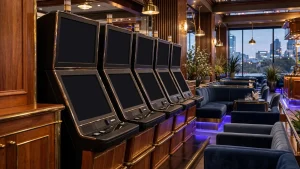
I’d separate the questions before trusting any claim: Is this about a physical Adelaide venue, or a website? Is the website offering real-money online casino games to people in Australia? Is it implying that an overseas licence is Australian approval? Those are not small print details. They define what kind of service you are looking at.
“Best” can be a sales label; “licensed” can be a foreign credential. Neither establishes that a real-money online casino is legally authorised to serve Australians. And the possibility that a site accepts Australian visitors does not create local protection if a dispute follows.
For me, the key point is plain: an offshore site’s offer is not the same as a locally licensed online pokies service. There isn’t one. A search result, bonus headline or licence badge cannot change that.
Online Play Claims: What RTP Can—and Can’t—Prove
When a pokie is described as “high return”, I now look for the setting behind the claim rather than treating the label as a promise. RTP, or return to player, is a long-run percentage: it describes how a game is configured to return money across a very large number of plays. It does not tell you what will happen during your session, or what a particular player will get back.
There’s another wrinkle with online claims. A specialist review reports that some game providers let casinos choose between different RTP settings for the same pokie. So a figure attached to a game in one place may not describe its configuration elsewhere. If a page names a return percentage but doesn’t make clear which setting it refers to, the number tells you less than it appears to.
- RTP
-
A long-run percentage (Return to Player) describing how a game is configured to return money across a very large number of plays, not a prediction for a single session.
That matters when you’re comparing claims about the best-paying pokies in Adelaide, or looking at online versions of games associated with Adelaide venues. A familiar title or identical-looking screen does not establish that the game has the same RTP setting in every casino. Nor does a claimed percentage prove that the claim applies to the version being offered to you. Marketing can make a number feel solid. The setting is the part to verify.
Even then, RTP is not a forecast. Each spin is generated independently by a Random Number Generator, so earlier results do not steer the next one. A run of losses does not make a win “due”, and a recent win does not mean another is more likely. I’ve made the mistake of reading a streak as a signal. It wasn’t one. Random is stubborn.
This is why phrases such as “best paying” or “maximum return” need context. They might refer to a stated RTP setting, but that setting cannot promise a personal result, and it does not rank every session or every player’s outcome. A high-limit label or a maximum-bet option is about the available stake, not proof of a better return. Bigger bets can change how quickly money is at risk; they do not make the RNG favour you.
If you see a return claim attached to online pokies near Adelaide, separate three things: the game title, the selected RTP setting, and the randomness of each spin. They are not interchangeable. A title can stay the same while the setting differs; a stated setting can describe long-run behaviour without predicting a single session.

I’d treat any bold RTP headline as a claim to examine, not a reason to play. For pokies in Adelaide, online or otherwise, no return figure can turn chance into a plan. No secret pattern.
Adelaide Pokies Hours: Don’t Assume They’re 24/7
“Twenty-four-hour pokies” sounds like a simple promise: arrive whenever you like and find the machines running. I’ve learned not to take that wording at face value. A phrase in a listing or a search result is not the same thing as a confirmed schedule for a particular venue.
There’s also a difference between a venue being open and its pokies being available. A place may have one set of public-facing hours and separate operating arrangements for its gaming area. So if you’re planning a late-night trip, don’t assume that a venue’s general opening time answers the question you actually care about.
Check the venue’s own current information, and contact it directly if the timing matters. Be specific: ask whether the gaming area will be operating at the time you intend to arrive. A broad “open now” label may answer whether the premises are open, but it needn’t tell you whether pokies are running. Small distinction. Big difference after a trip across town.
I also wouldn’t treat “24/7” as a city-wide description. Adelaide doesn’t have one shared timetable that applies to every venue. Hours can be venue-specific, and an old directory entry or casual mention may not reflect the schedule on the day you’re making plans. Check again close to your visit rather than relying on a detail saved from an earlier search.
For late-night plans, it helps to separate three things: the venue’s opening hours, the hours of its gaming area, and whether pokies are operating when you get there. Ask about the last two directly. If the answer is unclear, don’t fill in the gap with an assumption. “Open” is not a guarantee that every part of a venue is available.
The same goes for claims that a place is open all night. Treat that as something to confirm, not as a reason to set out without checking. I’ve made the mistake of reading a neat label as a firm answer. It wasn’t.
If you can’t get a clear confirmation, make a different plan rather than counting on round-the-clock access. That’s less exciting than finding a guaranteed late-night option, but it avoids turning a vague listing into a wasted journey. Verify the timing with the venue itself, and keep the expectation modest: no search wording can make a schedule certain.
Searching for Crown in Adelaide: Check the Venue, Not the Keyword
A search for Crown and Adelaide in the same breath can make it sound as though there is a Crown casino here, complete with a pokies room. The wording alone proves none of that. It may simply reflect what someone hopes to find, or a mix of place and brand terms picked up together. I’d check the actual venue name before making plans; a familiar casino brand in a search result is not confirmation of an Adelaide location.
The same goes for claims about pokies at a Crown casino in Adelaide. A result, map label or discussion post can repeat an assumption without establishing that the venue exists or that it has the machines someone describes. I’ve made the mistake of treating a neat-looking listing as the answer. It isn’t. Look for information that identifies the venue itself, rather than relying on a page title that happens to combine Crown, Adelaide and pokies.
“Best pokies room” is another phrase that sounds more definite than it is. Best for what: the layout, the atmosphere, the available machines, or something else? Without a clearly identified venue and current details, a confident ranking is just a claim. I’d want to know exactly which room is being discussed before taking any review seriously. A polished description is not a substitute for that basic check.
And a maximum cash payout is not something you can safely infer from the word “Crown”, the venue’s reputation, or a machine’s advertised features. If a page gives a figure, check what it applies to and whether it is stated by the venue or is merely repeated by someone else. Don’t treat a headline as a promise about what you could collect.
Keep the checks simple: confirm the venue’s identity through information that clearly belongs to that venue, then confirm any machine or payout detail directly before relying on it. If the wording never gets more specific than “Crown Adelaide”, you still don’t know what place or offering it means.
That’s the useful distinction: a brand term can point your attention somewhere, but it cannot establish an Adelaide venue, a pokies room or a payout limit. I’d rather pause than turn a search phrase into a trip based on an assumption. Check the place first. Then the details.
CBD Clubs and Responsible Gambling Tools
When you’re looking at clubs in Adelaide’s CBD, a polished listing or a “best” label won’t tell you whether a place suits you. I’d avoid treating a search result as a recommendation. Check the venue’s own current information before making a trip, and don’t assume that a club mentioned online has the machines, facilities or arrangements you expect.
The more useful question is what control you can put between yourself and a session that starts running away with you. Responsible-gambling tools include deposit limits, loss limits, session time limits and self-exclusion. They serve different purposes: a deposit limit sets a boundary on money put in, a loss limit sets one on losses, and a time limit helps keep a session from stretching on unnoticed. Self-exclusion is the option to block your own access for a period or longer, depending on the arrangement available.
I used to think setting a limit was a task for later, once I had a clearer head. That was backwards. If you’re considering a club, check what controls are available before you start playing, and ask staff how to set them or activate self-exclusion. Don’t rely on a vague promise to stop when you feel like it. That promise gets slippery.
A practical check is whether the terms are easy to find and explain what happens when you reach a limit. If the answer is unclear, pause and get it clarified before you play. A tool only helps if you understand what it does and can use it when you need it. Keep the limit realistic for your circumstances, and don’t raise it in the heat of a session just to keep going.
If you’re searching for pokies in Adelaide’s CBD or at local clubs, this is a better comparison point than a “best” claim: can you find the controls, understand them and make a decision before playing? If you’re already trying to stop, self-exclusion is worth asking about directly rather than waiting for a bad night to make the choice for you. No tool makes gambling harmless, but choosing a boundary in advance can give you a firmer point to stop.
Cashless Searches, PayID and the Newcastle Mix-Up
“Cashless pokies” can mean different things: a searcher may be asking about how a venue handles play, or about PayID on an online gambling site. Those are not the same question. A payment option cannot confirm what a particular Adelaide venue offers, so check directly with the venue rather than treating a cashless label as a feature list.
PayID is not a wallet or a mark of approval. It is an alias system on Australia’s New Payments Platform, letting someone direct a bank transfer using an email address, mobile number or ABN instead of entering account details. That describes how a transfer is addressed; it does not tell you whether a gambling service is legal, fair or clear about its terms. Payment method and operator status are separate matters.
There is another wrinkle: a specialist review reports that some Australian banks, including members of the Big Four, sometimes block PayID transfers to gambling merchants they recognise. That is a report about possible bank restrictions, not a promise that a transfer will work—or that it will be blocked. If a payment fails, don’t read the failure as proof of anything about the site.
The Newcastle wording is a separate place-name tangle. Newcastle and Adelaide are different cities; combining both in one phrase doesn’t establish that a venue, machine selection or shared offer connects them. I’ve made the same mistake of treating a tidy-looking result as a useful answer. It wasn’t.
Keep the questions apart: a venue’s cashless arrangements are one thing, PayID’s role in bank transfers is another, and the city named in a result still needs to match where you mean to go. A payment logo is not a recommendation.
Are online pokies legal for Australian players?
Yes, Australian players can legally play on offshore sites that accept them, but no Australian-licensed online casino exists. The law prohibits operators from offering real-money online pokies to Australians without a domestic licence, and players have no legal recourse in Australia if an offshore casino refuses to pay.
What is the legal age for online gambling in Australia?
You must be at least 18 years old to gamble online in Australia.
How do I know if an online casino is safe to play at?
There is no Australian-licensed online casino, and you have no legal recourse in Australia if an offshore casino refuses to pay your winnings. Treat playing at an offshore site as carrying that risk.
Can casinos change the RTP of their games?
Yes. Some game providers let casinos choose between multiple RTP settings for the same game, so check the setting that applies at the casino you use.
Do PayID deposits qualify for bonuses?
Yes, PayID is treated like any other qualifying deposit method at the recommended sites.