
Check the Details Before You Make the Trip
Venue listings can be outdated, and general opening hours may not confirm that the gaming area is operating.
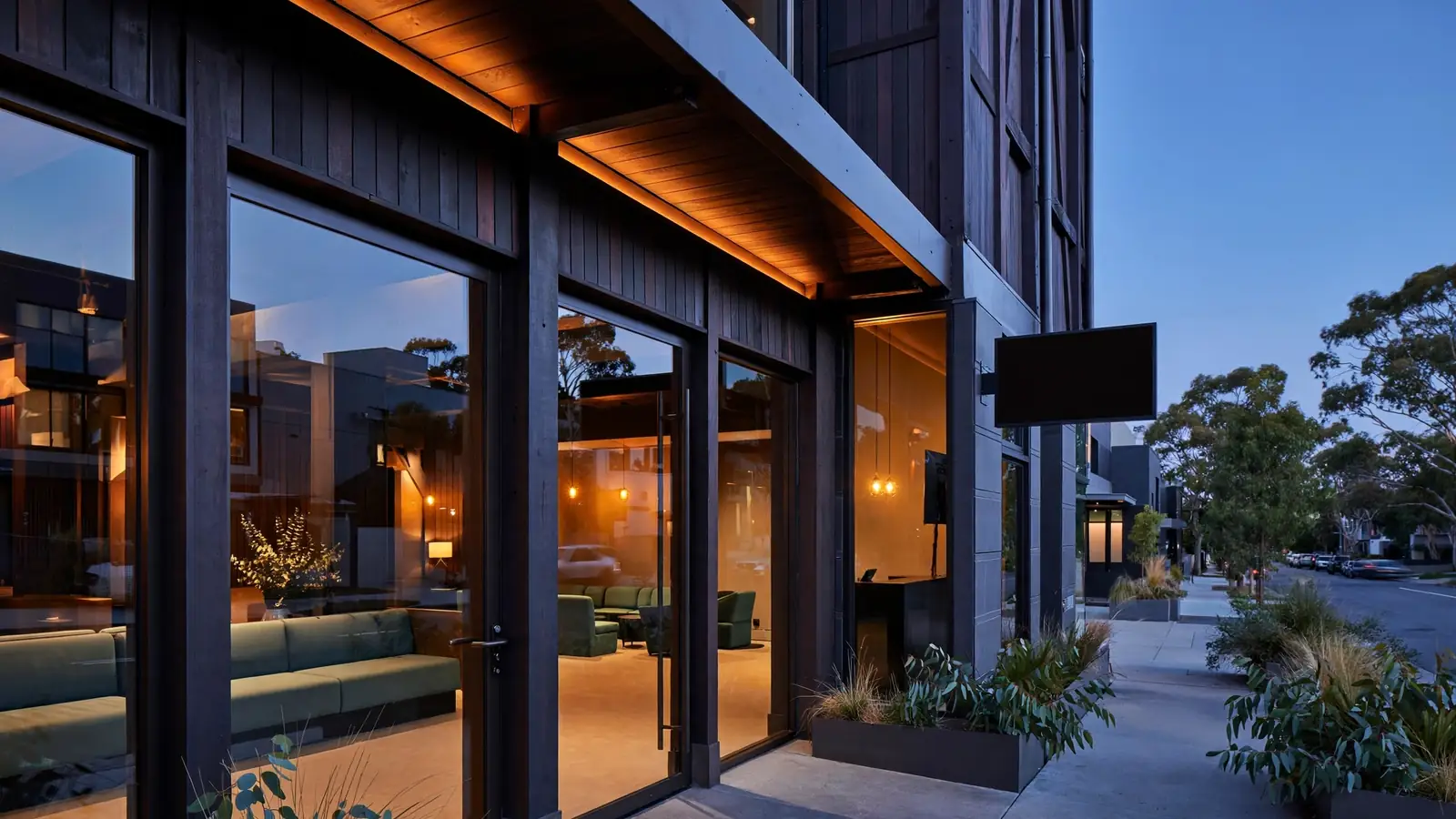
Checking Whether a Canberra Venue Is Actually Open
I’ve learned not to plan a trip around a line on a map that says “open”. It may describe the venue generally, not confirm that its gaming area is operating at the time you want to go. If you’re checking whether a Canberra venue is open now, treat the result as a starting point, not a green light.
Start with the venue’s own current information. Look for its published hours and check that they apply to the day you’re planning to visit. A listing can be out of date, and an older post or directory entry may not reflect a temporary change. If the information is unclear, call and ask directly. It’s a slightly dull step, but less annoying than making the trip and finding the doors shut.
Be precise about what you’re asking. “Are you open?” may get you an answer about the venue overall, while your actual concern is whether pokies are available when you arrive. Ask whether the gaming area is operating at that time, and whether anything could affect access that day. You don’t need to explain why you’re coming. You just need an answer that applies to the part of the venue you intend to use.

Check the day, not just the usual schedule
A venue’s regular hours may not tell the whole story. Public holidays, private functions, maintenance, or other temporary arrangements can affect access. That doesn’t mean any particular Canberra venue has changed its schedule; it means a schedule you found earlier is not a substitute for checking the day you plan to go.
When you call, give the date and the time you have in mind. If you’re planning an early visit, ask about that specific time rather than assuming the venue’s general opening time also applies to the gaming area. The same goes for a late visit: an open venue does not necessarily mean every area is available right up to closing.
I’ve made the mistake of reading a broad listing as if it answered every detail. It didn’t. A direct question gets you closer to a useful answer: “Will the gaming area be operating when I arrive?” If staff can’t confirm, that’s worth knowing before you leave.
Get a current answer
A phone call is useful because you can clarify an answer on the spot. If you rely on a website or social media page instead, check when the information was posted and whether it appears to refer to the venue’s present schedule. A page with no clear date may still be helpful, but it gives you less confidence than a current response from the venue.
Do
- Call the venue directly to confirm hours
- Ask specifically if the gaming area is operating
- Verify the date and time of your intended visit
Don't
- Rely on a general "open" status on a map
- Assume a broad listing covers every detail
- Treat an old answer as a guarantee for today
If you receive different answers from different places, don’t quietly choose the one that suits your plans. Contact the venue directly and ask which information is current. Keep the answer simple in your notes: the date, the time you asked about, and whether staff confirmed that the gaming area would be operating. That way, if plans change or you need to check again, you’re not relying on memory.
For a same-day visit, check again before setting out if the first confirmation was given well in advance. Plans can change. A quick call is easier than treating an old answer as a guarantee.
Separate “open” from “available”
There are two separate things to confirm: whether you can enter the venue and whether the pokies are operating. A general opening-hours notice may answer only the first. Ask about both, especially if the timing is the main reason for your trip.
You can keep the call brief:
- Is the venue open at the time I’m planning to arrive?
- Will the gaming area be operating then?
- Is there any temporary change to access that I should know about?
You’re not asking for a promise about what the venue will be like when you walk in. You’re checking the best available information before making a decision. If you can’t get a clear answer, it may be sensible to delay the trip rather than assume.
I also wouldn’t read an opening-time listing as proof that every machine will be available. Ask whether the area is operating; don’t assume a general “yes” settles every practical detail. Staff may not be able to guarantee what will be available on arrival, but at least you can find out whether the area is expected to be open.
Make the trip on purpose
Before leaving, check that you have the right venue contact details and that you’re looking at the correct location. It’s easy to mix up similarly named places or save an old listing. If you’re travelling with someone else, pass on the confirmed time rather than forwarding a screenshot with no context.
I’d also avoid letting a guessed schedule turn into a long outing by default. Decide in advance what you’ll do if the gaming area is closed or unavailable. That can be as simple as turning around or making another plan. The point is to make the visit your choice, not to keep chasing a first assumption because you’ve already travelled.
There isn’t a reliable shortcut that replaces a direct, current check. Confirm the venue’s hours and the gaming area separately, ask about the time you actually intend to arrive, and check again if your plans are several days away. A little verification beats a wasted trip.
What “Best-Paying” Really Tells You About a Pokie
Top operators
Choosing pokies in Canberra for 2026 is easier when you know what practical details are available before you sign up. Use these notes to check each option against your priorities.
-
Ricky Casino
- Payout speed
- crypto under 1 hour, PayID 1-3 business days
- Min. deposit
- A$20 (A$30 to qualify for the bonus)
Ricky Casino lists crypto payouts in under an hour and PayID payouts in 1–3 business days. The minimum deposit is A$20, or A$30 to qualify for the bonus.
-
SkyCrown
- License
- Tobique Gaming Commission
- Payout speed
- crypto ~10-15 minutes, fiat 1-5 days
- Min. deposit
- A$30
SkyCrown lists a Tobique Gaming Commission licence, with crypto payouts taking around 10–15 minutes and fiat payouts 1–5 days. Its minimum deposit is A$30.
-
LevelUp Casino
- License
- Curacao eGaming OGL/2023/174/0082 (Dama N.V.)
- Min. deposit
- A$15
LevelUp Casino is listed under Curacao eGaming licence OGL/2023/174/0082, held by Dama N.V. Its minimum deposit is A$15.
-
JustCasino
- License
- Curacao Gaming Control Board
JustCasino is listed with a Curacao Gaming Control Board licence. That licence is the available detail to consider when reviewing this option.
-
House of Pokies
- License
- international iGaming licence – jurisdiction not named in the source
- Payout speed
- PayID 1-24 hours
- Min. deposit
- A$30 (PayID from A$10)
House of Pokies lists PayID payouts of 1–24 hours and a minimum deposit of A$30, reduced to A$10 for PayID. Its source describes the licence as international but does not name the jurisdiction.
-
WinSpirit Casino
- License
- Curacao eGaming OGL/2024/923/0383 (Antillephone N.V.)
- Min. deposit
- A$30
WinSpirit Casino is listed under Curacao eGaming licence OGL/2024/923/0383, held by Antillephone N.V. Its minimum deposit is A$30.
-
Bizzo Casino
- License
- Curacao Gaming Control Board (TechSolutions Group N.V.)
Bizzo Casino is listed with a Curacao Gaming Control Board licence held by TechSolutions Group N.V. This licensing detail is the available point of reference for you.
-
Kingmaker
- Payout speed
- crypto ~90 minutes, fiat 1-5 days
- Min. deposit
- A$30
Kingmaker lists crypto payouts of around 90 minutes and fiat payouts of 1–5 days. Its minimum deposit is A$30.
-
Wild Tokyo
- License
- Curacao
- Payout speed
- crypto 30-60 minutes, fiat 1-5 days
- Min. deposit
- A$10
Wild Tokyo lists a Curacao licence, crypto payouts in 30–60 minutes, and fiat payouts in 1–5 days. Its minimum deposit is A$10.
-
LuckyVibe
- License
- Curacao Gaming Control Board OGL/2023/176/0095 (Hollycorn N.V.)
LuckyVibe is listed with a Curacao Gaming Control Board licence, OGL/2023/176/0095, held by Hollycorn N.V. The licence is the available detail to consider when reviewing this option.
“Best-paying” sounds like a simple promise: pick the game with the biggest return and you have made the sensible choice. I used to read it that way. The trouble is that an advertised return is a theoretical figure, not a prediction of what will happen during your session, and it may not even describe the exact version of a game you are looking at.
RTP, or return to player, describes the proportion of wagers a game is designed to return across a very large number of plays. It is useful for comparing stated settings, but it does not work like a refund rate on your own spins. You could play briefly and get nothing back, or see a win; neither outcome proves that the advertised figure is wrong or that the next spin is more likely to pay.
That distinction matters when you are weighing claims about the best-paying pokies in Canberra. A headline can make a return percentage sound like a dependable personal result. It is not. The figure describes a long-run model, while your own play is a tiny slice of that model. “High return” is a description of a setting, not a promise.
There is another catch: a game’s name does not necessarily identify one universal return setting. A specialist review reports that some providers let casinos choose between multiple RTP settings for the same pokie. As a result, the same title may be configured with different return percentages at different casinos. A figure quoted in a review or promotional page may therefore be attached to a particular configuration, rather than every version carrying that game’s name.
That is why I would check what the stated RTP actually refers to before treating it as a comparison. Is the percentage tied to the specific game version and setting being offered, or is it just a general figure attached to the title? Don’t fill in the gap yourself.
- RTP
-
Return to Player describes the proportion of wagers a game is designed to return across a very large number of plays. It is a theoretical long-run model, not a prediction of a short session's result.
Even a clearly stated RTP cannot tell you whether a game will feel dependable. Every spin is generated separately by a Random Number Generator, so the result of one spin does not set up the next. A run of losses does not make a win “due”, and a recent win does not mean another is around the corner. I have caught myself thinking that way, especially after a session had already gone longer than I meant it to. It is an easy story to tell yourself. It is still a story.
The word “best” also bundles together things that are not the same. One person may mean the highest published return; another may mean a game that feels less volatile or suits a particular style of play. A return figure alone does not settle those preferences, and it cannot identify a reliably profitable choice. It gives you one piece of information, with limits.
So when you see claims about Canberra pokies or a “best-paying” option, separate the measurable claim from the sales language. Look for the actual RTP setting and whether it applies to the version in question. Then remember what that setting can and cannot say: it may help describe the game’s long-run design, but it cannot forecast your next result or make a short session predictable.
No magic number.
Online Pokies and the Legal Reality for Australians
The words “online pokies” can make a website feel like a digital version of a local venue. Legally, they are not the same thing. In Australia, the Interactive Gambling Act 2001 makes it illegal for a company to provide real-money online pokies to people here without a domestic licence. No domestic licences for that service have been issued, so there is no Australian-licensed online casino.

That distinction matters when a page presents itself as a Canberra option. A local-sounding name, Australian currency, or an offer aimed at people in the capital does not establish that the operator is authorised here. Nor does a site’s claim that it holds an overseas licence turn that licence into Australian approval. I learned to stop treating a polished page as proof of protection. It isn’t.
Offshore does not mean locally protected
An offshore operator is based outside Australia. If it accepts Australian customers, that does not make it an Australian-licensed casino; there is no such online casino licence. The law places the relevant prohibition on companies providing the service, not on a player simply for using an offshore site. That is not the same as saying the arrangement is safe, endorsed, or covered by Australian consumer protections.
The sharpest practical risk comes when something goes wrong with money. If an offshore casino refuses to pay winnings, Australian players have no legal recourse in Australia to compel payment. A displayed balance or a promise in the site’s terms is not the same as an enforceable local remedy. I would not treat a “no deposit bonus” or a headline about high limits as evidence that a withdrawal will be honoured. Attractive wording is easy to publish. Getting help after a dispute is another matter.
That is the part I used to skip. I focused on the offer and assumed the fine print would be there to sort things out later. Bad assumption.
What the regulator’s blocks mean
The Australian Communications and Media Authority (ACMA) enforces the Interactive Gambling Act 2001. It blocks access to illegal offshore gambling sites, and internet service providers must comply with its blocklist. A site becoming inaccessible can therefore reflect regulatory blocking; it is not a signal that the site has been assessed as suitable or safe for customers.
Blocking is not a guarantee that every offshore page disappears from view, either. Websites can change addresses or remain visible through other routes. Seeing a page load, or finding claims that it serves Australians, does not establish that its service is lawful in Australia. Access and authorisation are different questions.
So if you are looking for online play from Canberra, the important distinction is not whether a site uses Canberra in its wording. It is whether an Australian licence exists for the service. It does not. An offshore operator’s own descriptions cannot fill that gap, and if it withholds winnings, Australian legal recourse is absent.
Keep the boundary clear: online real-money pokies offered to people in Australia are not an Australian-licensed alternative to an in-person venue. A local reference on a website changes none of that.
Near the Airport or CBD: What You Can—and Can’t—Confirm
A map result can make “near Canberra Airport” look like a settled answer. It isn’t. A pin may show a business in the wider area, but that alone does not tell you whether the venue has pokies, whether they are available to visitors, or whether the listing is current. And a search that mentions the airport does not establish that pokies are inside the airport itself.
I’ve learned not to turn a promising map label into a plan. First, identify the actual venue behind the listing. Check its own website or contact details, rather than relying only on a short search snippet or a pin with a broad category. Then confirm directly that the venue has pokies and that public access is possible. Those are separate checks from finding an address.

The same goes for the CBD. “Near the CBD” is elastic wording: it may refer to a point on a map, not a useful walk or a confirmed machine location. Look for a street address attached to a named venue, then check that the venue itself describes the facilities you’re looking for. If the listing only says gaming, entertainment or club, don’t assume that means pokies are available.
North Canberra needs the same treatment. A suburb or district in a result can cover a broad area, and a nearby marker does not show how far you would actually need to travel. Use the full venue address to check the route and the map scale. Don’t rely on a label such as “near me”; location services can centre a result on your device, but they can’t verify what the venue offers.
There’s also the “Canberra, VIC” wording that can appear when a location is entered loosely. Before following a result, make sure the place is the Canberra you mean and that its address matches the Australian Capital Territory location you intended. A matching word is not enough. Check the state or territory shown with the address.
I’d treat the venue’s own information as the starting point, not the finish. If its page is vague, call or message and ask plainly whether pokies are on site and whether visitors can use them. If you cannot get a clear answer, don’t fill the gap with assumptions based on proximity, a photo, or someone else’s old listing. That saves a pointless detour.
This is a location check, not a promise about what you’ll find once you arrive. An airport-area result, a CBD label and a nearby map pin are clues about geography; none independently confirms machines at a particular address. Keep those two things separate. Location first. Confirmation second.
What to Look for in a Canberra Venue’s Safeguards
When I’m weighing up a Canberra venue, I don’t treat a polished room or a friendly welcome as proof that people are being looked after. I look for practical safeguards: who is responsible when someone appears distressed, what staff can do, and whether the venue has a clear way to record concerns. Those details matter more than a venue calling itself the “best”.
A report by regionriverina.com.au describes a requirement for venues operating more than 20 gaming machines to have a dedicated responsible gambling officer (RGO) present while those machines are running, with the rule beginning on 1 July. That is a specific staffing safeguard, not just a sign on a wall. If you are considering a venue, you can ask whether an RGO is on duty when the machines are operating and how patrons can speak to them. A vague answer is worth noticing.
The same report says venues were given a one-month grace period to remove signage and bring in responsible gambling officers. That transition period is relevant when judging what the requirement involves, but it should not be read as evidence that a particular Canberra venue has met it. I would confirm the venue’s current arrangements directly rather than assume that a rule, by itself, tells me what is happening on the floor.
There is also a requirement for venues to maintain a gambling incident register. It is intended to capture occurrences where a patron’s behaviour suggests they may be at risk of gambling harm or already affected by it. In practical terms, that gives staff a record of concerns rather than leaving each incident as an isolated conversation. It is not a guarantee that harm will be prevented, and a register is not something a visitor can judge just by walking past the machines.
I’d look for signs that staff know how to respond, and ask who to approach if gambling stops feeling manageable. A responsible gambling officer should be identifiable to patrons, not merely a title buried in venue paperwork. If staff seem unsure who handles a concern, or brush off a straightforward question, that tells you something about how accessible the safeguard may be. Not proof of a breach. Still a useful signal.
These checks don’t identify a best pokies venue in Canberra, and they shouldn’t be used to rank places. They give you a way to ask more useful questions about care on site. Canberra venues may differ in how they explain their procedures, so keep the question plain: who is the RGO, and how does the venue record and respond to gambling-related incidents?
I used to take “responsible” language at face value. Now I want to know what a staff member would actually do, and whether there is a clear route to raise a concern. Small questions. Better footing.
Why “24-Hour Pokies” Needs a Reality Check
“24-hour pokies” sounds like a straightforward promise: machines available whenever you arrive. But the phrase alone is not a venue timetable. A result describing all-night access does not establish that a Canberra venue is open around the clock, or that its pokies are available at the time you plan to visit.
I’ve learned not to treat a confident label as a practical guarantee. “Open now” is only useful if it refers to the specific venue, the current day and the area you intend to use. An old listing, a search-result snippet or a broad description can leave out details that matter. Check the venue’s own current information before setting out, and contact it if the hours or machine access are unclear. Small check. Less wasted travel.
Opening hours and gambling limits answer different questions. A venue’s timetable concerns when you can enter; a limit is a boundary you choose for your gambling. Deposit limits can restrict how much money you put in, while loss limits can help cap what you are prepared to lose. Session-time limits can put a boundary on how long you play, and self-exclusion can block your access to gambling for a period you choose.
Those tools do not tell you whether a venue is open, and they do not turn an uncertain timetable into a confirmed one. They are worth considering separately, before you start, rather than relying on a late-night search result to shape the plan. I used to treat “I’ll just have a look” as a plan. It wasn’t much of one.
If you decide to visit, set any limits while you are still clear-headed. Keep the figures realistic for your own circumstances, and do not raise them just because a session is going badly or you have more time than expected. A limit is a boundary, not a way to make a session safer by itself or to predict what a pokie will return.
The useful distinction is simple: check the venue’s hours for access, and use gambling limits to set boundaries around your own play. Neither replaces the other. A claim of 24-hour access should not be treated as proof that a Canberra venue’s doors and machines will be available whenever you arrive.
Searching for Crown in Canberra: Don’t Assume the Name Fits
When you see Crown mentioned alongside Canberra and pokies, it is easy to read the words as if they point to a confirmed local venue. They don’t. A name in a search result, map label or forum post is a lead to check, not proof that a Crown venue operates in Canberra or that its pokies are available there.
I’ve made the same sort of leap before: a familiar brand appears beside a city name, and I start planning around it. That skips the part that matters. Look for information that identifies the actual venue and its location, and make sure it comes from a source that can speak for that venue. If the details don’t connect the Crown name to a Canberra address, don’t fill in the gap yourself.
That distinction matters whether you’re looking for a Crown casino in Canberra, a room with pokies, or a particular venue experience. The wording may sound specific, but it doesn’t establish that the place exists locally. Nor does a page about Crown elsewhere answer a Canberra question. Similar names, old listings and copied descriptions can all make a result look more certain than it is.
I can’t confirm a Crown venue or Crown pokies in Canberra. So I wouldn’t treat any claim about a Canberra Crown pokies room as settled without direct, current confirmation from the venue itself. No leap of faith.
The same caution applies to searches about the “best” pokies room or the maximum cash payout. Those phrases don’t identify a particular Canberra venue or establish what its machines offer. A payout claim needs clear, venue-specific information behind it; the Crown name alone tells you nothing about a local payout arrangement. I wouldn’t use an unconfirmed maximum to decide where to go or what to expect.
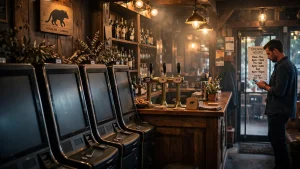
Keep the questions separate: is there a Crown venue in Canberra, and what can that venue confirm about its facilities? If you can’t establish the first point, the second has nowhere solid to land. That isn’t a verdict on Crown generally. It’s just the difference between a recognisable name and verified local information.
If you’re making a trip, confirm the venue directly before setting off rather than relying on a result that pairs Crown with Canberra. A confident-looking label can still leave the key detail unanswered. Check first.
Canberra CBD Clubs: Verify the Venue Before You Go
A club name in a Canberra CBD result can sound like a solid lead, but it does not tell you whether that venue has pokies available to visitors. I’ve learned not to turn a search result into a plan before checking what the place actually offers. “Best” is a label, not confirmation.
Start with the club’s own current information. Look for a clear statement that pokies are available at that specific venue, rather than assuming every club has them or that a listing describes the present setup. If the wording is vague, contact the venue and ask directly. Confirm that the information applies to the CBD location you intend to visit; similarly named venues can make a quick check less straightforward.

I’d also ask whether access is limited in any way. Don’t assume that a club’s general entry information answers questions about who can enter the gaming area or what conditions apply. If you are travelling specifically to play, a direct answer about access and machine availability is more useful than a directory snippet. No guesswork needed.
The phrase “best pokies in Canberra CBD” can pull together recommendations, old listings and promotional copy. None of those, by themselves, establishes that a particular machine is currently there. Nor does a club description tell you what games are installed. Treat recommendations as leads to verify, not as a promise about the floor.
If self-exclusion is part of your planning, ask the venue how its own process works before you go. BetStop is a separate service: it applies to Australian-licensed operators and does not bind offshore sites. It should not be taken as proof that a venue has a particular on-site exclusion arrangement. Get the answer from the club rather than assuming one scheme covers every setting.
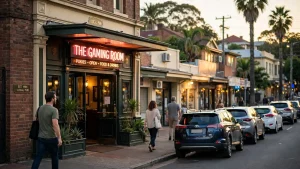
I once took a polished listing as enough and only found out later that I hadn’t checked the detail that mattered to my trip. Now I keep the call simple: Is this the right venue, are pokies available there, and can I access them under the conditions I need to know about? If the answers are unclear, I don’t build the outing around it.
A CBD address narrows the map. It doesn’t verify the club, its machines or your access. Check the specific venue first. No assumptions.
Parkes Searches and the Limits of What’s Verified
Parkes can refer to a Canberra suburb, so a result mentioning Parkes is not automatically about a venue somewhere else in the region—or proof that a particular address has pokies. I’ve learned to treat the place name as a starting point, not a location pin. Search results can blur suburb names, nearby areas and broader Canberra listings together.
If you’re looking around Parkes, check the actual street address and make sure the listing places it in Canberra’s Parkes suburb. A page title or snippet that simply pairs “Parkes” with Canberra may be using broad wording; it does not tell you where the venue is. Nor does a map marker, by itself, establish that pokies are available at that address. Small details matter.
I’ve been caught by this kind of mismatch before: I saw a place name that looked right, filled in the rest in my head, and only then noticed the listing wasn’t answering the question I had. Annoying, but avoidable. Read the venue’s own description and compare its address with the map listing. If those details differ, pause rather than assuming the result is close enough.
The same goes for a page describing the “best” pokies in Canberra. That wording is an opinion or a search result title, not a location check. It doesn’t establish that a listed machine is in Parkes, or that a venue operates there. Keep the two questions separate: where is the venue, and what does it actually offer?
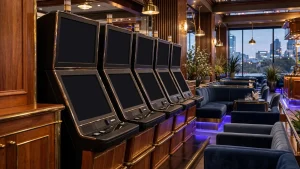
For a Parkes-area outing, use the precise address to judge whether the location suits your plans. Don’t infer proximity from a result that only mentions Canberra, and don’t treat a mention of Parkes as evidence of a machine count or a specific venue. A clear address first. The rest can wait.
Cashless Play and the Newcastle Search Mix-Up
Cashless can mean a few different things, and they’re easy to muddle. A venue allowing card or another electronic payment method is one question; PayID is a bank-transfer method. Neither tells you whether a Canberra venue has cashless pokies, what machines it has, or whether an online gambling service is lawful.
I used to see a payment logo and treat it as a kind of quality stamp. It isn’t. PayID identifies a transfer destination through an alias—an email address, mobile number or ABN—rather than requiring you to enter the recipient’s bank account details. It operates as an alias layer over Australia’s New Payments Platform, the infrastructure for the transfer.
The NPP is supported by all major banks and protects transfers with end-to-end encryption. That describes the payment infrastructure, not the business receiving money. PayID’s presence does not verify a venue, its machines, a gambling site’s licensing or the terms attached to a transaction. Different questions. Keep them separate.
The Newcastle wording is another tangle: combining Newcastle and Canberra doesn’t establish that either city has a particular venue or cashless setup. If you mean a physical venue in Canberra, check directly with that venue about payment options and machine availability before travelling. A payment method discussed online is not evidence of what you’ll find on the floor.
If you mean an online service, payment convenience still says nothing about whether it is permitted to offer real-money pokies to people in Australia. Don’t let a familiar bank-transfer name do the checking for you. I’ve made that mistake with other reassuring-looking details: they answer one narrow question, then your brain quietly fills in the rest.
PayID is a transfer alias, not a venue directory or a licence. That’s the distinction worth holding onto.
Are online pokies legal for Australian players?
Yes, Australian players can legally play on offshore sites that accept them, but no Australian-licensed online casino exists. Offering real-money online pokies to Australians without a domestic licence is illegal for operators, and you have no legal recourse in Australia if an offshore casino refuses to pay.
What is the minimum PayID deposit?
Most operators set minimum deposits at AU$10–AU$20, while some accept AU$5. PayID is treated like other qualifying deposit methods, so check the casino’s deposit terms for its minimum.
What is the cost-benefit calculation of casino promotions?
Compare the bonus with its wagering requirement: a $500 bonus at 40x means $20,000 in bets before you can withdraw winnings. If the requirement applies to a $500 deposit plus a $500 bonus at 35x, you would need to wager $35,000; requirements of 35x or less are preferable.
Do PayID deposits qualify for bonuses?
Yes, PayID is treated like any other qualifying deposit method, so PayID deposits qualify when the casino’s bonus terms allow that method.