
Choose slots by their features, not by promises
A practical guide to slot features, paytables, free play and the limits of using game labels to predict outcomes.

What “Best” Means When Every Spin Is Random
“Best” sounds like a promise. I used to read it as a hint that one game was more likely to come through for me. It isn’t. A video slot can be compared by its design or rules, but a label cannot tell you what your next spin will do.
Each spin is a separate event generated by a Random Number Generator (RNG). It does not remember what happened before, and it cannot be made more likely to pay because you have had a run of losses. The next result is independent too. A win does not mean the game is now “hot”; a stretch without one does not mean a payout is due.
That was an easy idea to understand and a harder one to believe while playing. After a few dead spins, I would switch games, raise my stake, or stay because I felt the slot owed me something. None of those decisions changed the randomness of the next result. I was reacting to a pattern I had invented.
Top operators
Choosing a video slots site involves more than the games themselves: payment options, withdrawal timing and licensing details can help you decide what to check. Use these operator notes as a starting point for finding a site that suits your priorities.
-
Ricky Casino
- Payout speed
- crypto under 1 hour, PayID 1-3 business days
- Min. deposit
- A$20 (A$30 to qualify for the bonus)
You can deposit from A$20, though A$30 is required to qualify for the bonus. Crypto payouts take under an hour, while PayID payouts take 1–3 business days.
-
SkyCrown
- License
- Tobique Gaming Commission
- Payout speed
- crypto ~10-15 minutes, fiat 1-5 days
- Min. deposit
- A$30
SkyCrown lists the Tobique Gaming Commission as its licence authority. You can deposit from A$30; crypto payouts take around 10–15 minutes, while fiat payouts take 1–5 days.
-
LevelUp Casino
- License
- Curacao eGaming OGL/2023/174/0082 (Dama N.V.)
- Min. deposit
- A$15
LevelUp Casino lists a Curacao eGaming licence, OGL/2023/174/0082, held by Dama N.V. Its minimum deposit is A$15.
-
JustCasino
- License
- Curacao Gaming Control Board
JustCasino lists the Curacao Gaming Control Board as its licensing authority. That licensing detail is the available point of reference for you when considering the operator.
-
House of Pokies
- License
- international iGaming licence – jurisdiction not named in the source
- Payout speed
- PayID 1-24 hours
- Min. deposit
- A$30 (PayID from A$10)
House of Pokies lists an international iGaming licence, though the jurisdiction is not named in the source. PayID payouts take 1–24 hours; the minimum deposit is A$30, or A$10 when using PayID.
-
WinSpirit Casino
- License
- Curacao eGaming OGL/2024/923/0383 (Antillephone N.V.)
- Min. deposit
- A$30
WinSpirit Casino lists a Curacao eGaming licence, OGL/2024/923/0383, held by Antillephone N.V. You can deposit from A$30.
-
Bizzo Casino
- License
- Curacao Gaming Control Board (TechSolutions Group N.V.)
Bizzo Casino lists the Curacao Gaming Control Board as its licensing authority, with TechSolutions Group N.V. named in connection with the licence. This gives you a specific licensing detail to consider.
-
Kingmaker
- Payout speed
- crypto ~90 minutes, fiat 1-5 days
- Min. deposit
- A$30
Kingmaker lists a minimum deposit of A$30. Crypto payouts take around 90 minutes, while fiat payouts take 1–5 days.
-
Wild Tokyo
- License
- Curacao
- Payout speed
- crypto 30-60 minutes, fiat 1-5 days
- Min. deposit
- A$10
Wild Tokyo lists a Curacao licence and a minimum deposit of A$10. Crypto payouts take 30–60 minutes, while fiat payouts take 1–5 days.
-
LuckyVibe
- License
- Curacao Gaming Control Board OGL/2023/176/0095 (Hollycorn N.V.)
LuckyVibe lists a Curacao Gaming Control Board licence, OGL/2023/176/0095, held by Hollycorn N.V. This licensing information is the available point of reference for you.
So what can “best video slots” reasonably mean? It can mean games whose themes, pace or features suit your taste. It can also point you toward rules you want to understand before playing. Those are comparisons you can make from the game itself. Treating “best” as a prediction of near-term winnings is a different thing, and the RNG gives no basis for it.
For someone comparing video slots in Australia, the useful habit is to separate what you can inspect from what you cannot know. You can look at a game’s presentation and mechanics. You cannot infer from recent results that the next spin is more promising, or that one title is guaranteed to treat you better.
I’ve made the mistake of treating a streak as a message. It was just a sequence of random results, and my confidence about what came next was not information. Keep that distinction in mind when a game is described as “best”: the word may help organise a shortlist, but it does not turn chance into a forecast.
No hot streak. No debt.
RTP: The Number to Check in the Paytable
RTP stands for return to player. It is a theoretical calculation of how much a slot is expected to return across a vast number of spins, often millions. It is not a forecast for your session, and it does not promise that a particular run of spins will return a set share of what you wager.
That distinction took me a while to respect. I used to see a high RTP and read it as a hint about what might happen next. It isn’t. The figure describes long-run statistical performance, not a schedule of wins. A higher RTP theoretically offers a better return over time than a lower one, but it cannot tell you when or whether a win will land.

The number is generally in the game’s rules or paytable. Open the game’s information panel and look for the RTP entry; don’t rely on a lobby tile or a short game description. A specialist review notes that operators can select different RTP versions of a game, and that the lobby listing may not show which version is configured. So the figure attached to a game name elsewhere may not match the build you are viewing.
I now treat the paytable as the place to verify, not the place to get excited. Check the displayed RTP in the game itself before making any decision about a wager. If the figure is missing or unclear, don’t fill the gap with a number remembered from a review. Even a familiar title can have more than one configuration.
When comparing games, RTP can help you understand their stated long-run returns, but it is only one piece of information. It says nothing about the shape of a short session, and it cannot turn a random game into a predictable one. The “top” label is marketing; the paytable is where the game’s stated figure lives.
Read it carefully. Then keep it in its lane.
Sweet Bonanza: Free Spins, Multipliers and RTP Versions
Sweet Bonanza is a useful example of why a familiar game title does not tell you everything about a particular version. Its free-spin feature and multiplier bombs may sound like a simple recipe for a big win, but those features describe how a round works, not what it will pay.
A specialist affiliate review reports an RTP of 96.51% for Sweet Bonanza. Treat that as a figure attached to a reported version, not a promise that every copy displays the same number. The game can have different RTP versions, so the number to rely on is the one shown in the game’s own information or paytable where you are viewing it. I used to see a familiar title and assume the details would match. That was a lazy shortcut.
The free-spin round is triggered by scatters. A specialist affiliate review describes four or more scatters as awarding 10 free spins. Check the rules shown in the version you have open, rather than assuming the trigger or award is identical everywhere. Free spins change the conditions of play; they do not make the next result predictable.
Multiplier bombs are another feature associated with the free-spin round. They can appear during those spins, and their values are added together before being applied to a winning tumble. That can make a tumble’s result larger, but the multiplier does not guarantee that a tumble will win. It is a feature with a specific role, not a dependable way to recover a losing run.
This distinction matters when a game’s presentation leans hard on words like “bonus” or “super.” The free spins are a round mechanic, and the multipliers affect qualifying wins. Neither label tells you what will happen on your next spin. I’ve made the mistake of treating a bonus feature as if it were a reason to keep going. It isn’t.
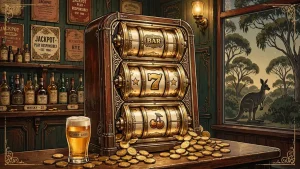
If you are comparing versions, look at the RTP listed in the game itself and read how the scatter and multiplier features are described there. A lobby tile or a remembered figure may not match the version in front of you. The paytable is the useful detail; the name alone is not.
Sweet Bonanza can help make the mechanics of video slots easier to picture: a named game can have a stated theoretical RTP, a trigger for free spins, and a feature that changes how a winning tumble is calculated. Those are details to understand, not a ranking or a prediction. Keep that distinction clear.
Playing for Fun Without Treating It Like a Strategy
I understand the appeal of opening a slot-style game just to pass the time. With no wager involved, the point can be the bright graphics, the pace of a round or the little burst of animation when a feature appears. That is a different aim from trying to turn a session into a plan for making money. Keeping those aims separate saves a lot of self-deception.
I learned that the hard way. A free game can feel like a harmless warm-up, then the mind starts keeping score as if those results say something about what will happen later. They do not. Every spin is generated independently by a Random Number Generator, so the last result does not make the next one due, hotter or safer. Free play changes whether you are wagering; it does not change the randomness.
That distinction matters even when a game includes bonus rounds or free spins. Those features are part of the game’s entertainment and rules, not a signal that a win is building. Watching a sequence play out can be enjoyable on its own. It is not a method for reading future spins. No pattern to crack.
Do
- Enjoy graphics, pace, and animations
- Use free play to understand rules
- Set a purpose based on entertainment
Don't
- Treat free results as a future preview
- Chase real-money results after free play
- Mistake bonus animations for generosity
People also use “video poker” loosely when they mean a screen-based game with cards, reels or both. The formats can look similar in a casino lobby, but the label does not turn a slot into a strategy game. If the experience you want is casual, decide what you mean by fun before you start: perhaps you want a few rounds, a particular theme or the spectacle of a bonus feature. That gives the session a purpose that does not depend on a payout.
I used to make the mistake of treating a good run in a free version as a preview. It felt persuasive because I could see the symbols land and watch the game respond. But a demonstration is not a promise about a later session, and a free result is not a token that carries forward. The same applies in reverse: a string of empty spins does not mean a win is waiting to balance things out. Each event stands on its own.

There is nothing wrong with liking slot-style games as a form of amusement. The trouble starts when “just for fun” quietly becomes a reason to chase a real-money result, or when a bonus animation is mistaken for evidence that a game is generous. I find it useful to notice that shift rather than argue with myself about it. If the attraction is the theme or the feature, enjoy that part without pretending it is a system.
For poker-style play, the entertainment may come from making choices rather than watching reels resolve. That can feel more skill-based, but the format alone does not tell you what a particular game involves. Keep the distinction simple: a slot spin is random, and a free mode is not a rehearsal that changes later outcomes. If you are looking for a casual screen game, choose based on the experience you actually want, not the idea that one format offers a hidden edge.
I would also avoid using “free spins” as a personal target. The phrase describes a feature or mode, not a dependable route to a result. A game can present free rounds as part of its entertainment, but their presence does not make the next spin predictable. I have caught myself waiting for a feature as though the wait itself earned it. It didn’t.

So, for me, playing for fun means keeping the expectation modest: enjoy the visuals, the sound and the pace, and let each round end where it ends. Don’t turn a lucky moment into a forecast or a quiet stretch into a debt the game owes you. Fun is the activity, not a strategy wearing a brighter jacket.
Free Play: What You Can Learn Before Wagering
A free-play version can be useful as a preview, provided you treat it as a way to inspect a game rather than rehearse for a win. If one is available, you can look at how its rules are presented, what symbols and features do, and whether the pace or layout makes sense to you. That is practical information. It is not a forecast.
I used to think a run of practice spins might help me get a feel for what was coming. It doesn’t. A free spin and a paid spin are not steps in a training sequence; past results don’t make a later result more or less likely. The demo can show you how a feature works when it appears. It can’t tell you when it will appear next.

The paytable is a good place to spend your attention. It explains the game’s symbols, combinations and features, and the RTP is usually shown in the rules or paytable too. Read the information in the version you are viewing rather than relying on a description elsewhere. The wording and layout can be dense, but they are more useful than an animation that makes every feature look like a big moment.
A free version may also help you notice things you’d rather know before risking money: whether the controls are clear, how a feature is explained, and whether you can find the rules without hunting through screens. If you don’t understand what triggers a feature, pause and read the instructions. There’s no reason to guess.
Just keep the limits in view. Demo results are not a promise about paid play, and a long session in free mode does not improve your odds later. Nor does a pleasing run establish that a game is generous. It is a sample of outcomes, not evidence of what the next spin will do.

“Risk-free” is often the sales gloss; the useful part is simply that you can inspect some mechanics without staking money in that session. Whether a free-play option exists, and what it includes, depends on where and how the game is presented. Don’t assume a demonstration has every setting or feature of another version. Check what is actually on screen.
I’d use free play to answer modest questions: Can I follow the rules? Do I understand the paytable? Is the game enjoyable enough to watch, even when nothing dramatic happens? If the answer is no, you have learned something without turning it into a spending decision. If the answer is yes, that still isn’t a reason to treat the game as a source of income or a puzzle you can solve with enough practice.
There’s no secret skill hiding in the demo. It can make the rules less opaque; it cannot make random outcomes predictable. Keep that distinction clear. That’s the whole point.
Online Slots on a Phone or Browser
A video slot on a phone is still the same kind of game as one displayed in a desktop browser: the screen and controls change, but the outcome comes from a Random Number Generator. Each spin is a separate event. What happened a moment ago does not make the next result more or less likely, whether you tap a button with your thumb or click with a mouse.
That distinction matters because a mobile layout can make a game feel more immediate. The reels fill the screen, the controls sit close to your hand, and a quick tap takes less effort than moving to a desk. None of that changes the underlying odds. A polished phone interface is presentation, not a signal that a result is due.
What changes on a smaller screen
On a desktop, you may see the game alongside other page elements. On a phone, the game often takes up most of the display, and menus or information panels may be tucked behind icons. That can make the main controls easy to reach while making details less obvious.
Before relying on what a small screen shows, take a moment to locate the rules and paytable. Check that the text is readable and that you can open the information panel without accidentally activating a game control. If a panel is cramped, difficult to navigate, or hard to read, a larger screen may be easier for understanding the game. There is no prize for squinting at fine print.
Touch controls can also feel different from a mouse. A button may be close to other controls, and a hurried tap may do something you did not intend. I’ve learned not to treat “one quick spin” as a thought-free action. Slow down enough to see what you are pressing. The screen does not know whether you meant to tap.
Browser or phone
A browser-based game is presented through a web page; a phone may show that page in a mobile layout. The practical difference is mostly how you view and control it, not how the random outcome is produced. The game’s presentation may rearrange buttons or menus to fit the screen, so do not assume that an item is absent just because it is not visible at first glance.
If you move between devices, check the game information again rather than relying on memory or a screenshot. The rules and displayed information are the useful reference on the screen in front of you. A familiar title or familiar artwork does not, by itself, tell you what configuration is running.
Connection quality can affect how comfortably a page loads or responds, but it cannot improve the chance of a winning result. If a screen freezes or a button appears unresponsive, avoid repeatedly tapping without checking what the page is doing. That is a basic way to prevent confusion about which control you have activated; it is not a way to influence the RNG.
A familiar screen is not a promise
Some mobile layouts make the game feel faster because controls are close at hand. That convenience can blur the gap between deciding and acting. I’ve caught myself paying more attention to motion and sound than to what I was actually doing. The reels can be lively. The maths stays indifferent.

Online pokies use RNGs and have theoretical RTP percentages. The RTP describes a long-run statistical expectation, not a forecast for a session or a particular device. A phone does not make a slot “hotter,” and switching to a browser does not reset the odds. Each spin remains independent of earlier and later spins.
Nor does a game that looks especially smooth or responsive offer evidence about its results. Animations, symbols and sound are part of the display. They can make a win feel dramatic or a near miss feel significant, but neither feeling changes the probability of the next spin.
Keep the practical check separate from the excitement
When examining a game on a small display, focus on whether you can clearly understand its controls and rules, rather than how impressive its graphics look. Find the information panel, read the paytable, and make sure you know what the buttons do. If the display hides important details or the controls are unclear, stop and inspect them on a more suitable screen instead of guessing.
A convenient interface is not the same thing as a favourable game. “Mobile-friendly” describes how a page is arranged; it does not describe the odds, guarantee a particular RTP, or tell you what the next spin will do. A phone is just a smaller window onto the game.
For me, that is the useful way to think about video slots on mobile: judge the screen for clarity, and keep the outcome separate from the device. A tap can start a spin. It cannot tell the RNG what to return.
Video Slot Software and What It Can’t Tell You
A provider name can tell you who made a game; it cannot tell you which return setting an operator has selected. I used to treat a familiar logo in a lobby as a useful shortcut. It isn’t. A polished tile, game title or software label does not show the RTP configuration attached to that particular version.

A specialist review reports that the operator selects the RTP build, and that the selected figure is not shown on the lobby tile. Treat that as a reason to inspect the game itself, not as something the artwork or provider branding can confirm. Once the game is open, look in its information panel, rules or paytable for the RTP. Check the in-game figure before depositing.
That little detour matters. Two listings with the same title and provider label may look identical while giving you no visible clue on the lobby screen that they use the same configuration. The label alone does not settle it. Nor does a game being described as “high quality” tell you anything measurable about its return setting.
The same caution applies when a casino offers a free version. It can show you the game’s presentation, but the lobby tile still does not establish the RTP build used elsewhere. If you are comparing a free version with one involving real money, check the information panel in the version you are actually viewing. Don’t assume the figures match just because the name does.
I’ve clicked through plenty of menus thinking the provider badge had done the checking for me. It hadn’t. The useful detail is inside the game, where its rules and paytable are available—not in the lobby’s sales pitch. Read that screen before making a decision. Logos are decoration.
No Download, No Registration: Check What You’re Actually Getting
“Instant access” sounds simple. In practice, it can describe only how a page opens—not what you can do once it loads. A game displayed in a browser may still sit behind an account screen, while a page that asks for no sign-up may offer only a limited preview. The wording alone does not tell you which it is.
I’ve made the mistake of treating “no download” as shorthand for “nothing else to check.” It isn’t. It usually refers to opening a game through a web page rather than installing an app or separate program. That says nothing, by itself, about registration, whether play involves real money, or what information the site may request. Different things. Easy to blur.
Access Terminology
"No download" usually means the game opens in a web browser, while "no registration" may mean you can launch a demo without an account. Neither term guarantees that all features are free or that no personal information will eventually be requested.
“No registration” is just as narrow a claim. It may mean you can view a page or launch a demonstration without creating an account. It does not establish that every feature is available without one, or that a game is free to play. Check the actual screen and terms rather than reading more into a banner than it says.
There’s also a difference between a browser-based game and a page that merely advertises one. If a link opens a lobby, a sign-in form, or a promotional page, that is not the same as the game itself loading. A tile and a promise aren’t proof. I learned that one the annoying way.
Keep the labels separate: browser access describes the route in; registration describes whether an account is requested; free play describes whether you wager. One does not guarantee the others. Nor does a smooth launch tell you anything about the game’s underlying terms.
For Australian readers, “no download” and “no registration” are descriptions of access, not assurances about whether a service is appropriate or lawful to use. Don’t treat low friction as a recommendation. If a page makes the process sound effortless, pause and work out what it is actually offering before handing over details—or money.
Video Poker and Popular Slot Searches
People sometimes put “video poker” and “video slots” in the same mental drawer because both appear on a screen and both are found in casino-game menus. I used to do that too. The labels look close, but they point to different kinds of games; one word in a title can change what you are actually looking at.

When you mean a slot, you are looking for a game whose spins are generated by a Random Number Generator. Each spin stands on its own, regardless of what happened before. Calling it a “poker slot” does not turn it into poker, and adding “video” does not explain how the game works. Read the title as a starting clue, not a rulebook.
Video poker is a separate label. If that is what you meant, a page about pokies may not answer your question. The reverse is just as true: someone looking for a video slot can land on a page about poker because the terms overlap in menus and descriptions. I’ve clicked through on the strength of a familiar word and then realised I was in the wrong category. Easy mistake.
The phrase “popular video slots” can also mean different things to different people. One person may be trying to find recognisable game names; another may simply want a slot that runs on a screen rather than a physical machine. Without a clear definition, “popular” is just a label, not proof that a game suits you or is better than another. I’d rather check what the game actually is than trust a broad claim.
If you want to play video slots, first make sure the page is describing a slot rather than video poker. Then look at the game’s own information, not just its thumbnail or category tag. A polished lobby tile can make two unlike games look interchangeable. They aren’t.
That distinction matters even before you consider anything else. A slot’s results remain random; searching under a poker-related label does not reveal a pattern or give you a way to predict a spin. If you meant poker, keep looking for that game specifically. If you meant pokies, use the slot’s actual name and read its rules. Clear labels help. They do not make an outcome clearer.
Casino Access for Australian Players: The Legal Reality
The legal position is easy to muddle because the rules target the service provider, while the practical risks land on the person trying to use a site. Under Australia’s Interactive Gambling Act 2001, operators cannot provide real-money online pokies to people in Australia. Online casino games such as slots and table games fall within the prohibited services. That includes video slots offered through a casino website or phone interface; changing the screen does not change the service.
The Act does not penalise an individual merely for playing at an offshore site. That is not the same as saying offshore casinos are approved or protected. An overseas licence does not make an operator locally licensed, and Australian consumer protections do not extend to offshore operators. If there is a dispute over an account or a withdrawal, you cannot assume the local safeguards available for Australian-regulated services apply.
I used to treat a site that opened in my browser as if that meant it was an ordinary option. It only meant the page loaded. Access and legal status are different things.
What ACMA does
The Australian Communications and Media Authority, or ACMA, is the federal regulator responsible for enforcing the Interactive Gambling Act and monitoring compliance with interactive gambling laws. It can ask Australian internet service providers to block websites that provide prohibited gambling services or advertise them in Australia. Blocking is one part of enforcement; it does not turn an offshore operator into a locally regulated one.
ACMA enforcement reporting says that more than 1,455 illegal gambling and affiliate websites have been blocked since November 2019 following enforcement action. The number of services that have left the market is reported inconsistently: one figure is over 210 since enforcement began in 2017, while another is over 190 for the same period. Those counts describe different reported totals, not a promise that a particular site will remain available or disappear.

A blocked site may stop loading through an Australian internet provider. A different address appearing later would not settle whether the service is lawful, safe, or subject to Australian consumer protections. Nor does a page’s polished design tell you who is accountable if something goes wrong. That distinction matters more than the lobby.
What this means in practice
If you are looking at an online casino with video slots, the key point is not whether the games resemble familiar pokies or whether the site accepts Australian visitors. The law restricts operators from offering those online casino services to people in Australia. Offshore availability does not remove that restriction, and ACMA’s blocking powers mean access may be interrupted.
It is also worth separating the player’s position from the operator’s. The fact that an individual is not penalised simply for playing offshore does not amount to government endorsement, a consumer guarantee, or a route to resolve a complaint locally. The operator remains outside Australia’s consumer protection system. If a site blocks access, closes an account, or fails to deal with a dispute, the existence of an offshore licence does not place it under Australian oversight.
I learned not to confuse “I can open it” with “I’m covered.” Those are different claims.
For anyone comparing casino video slots or considering access on a phone, the legal frame is the same as for a desktop site: the service is still online casino gambling. Australian law prohibits locally licensed operators from offering online pokies, and ACMA can seek website blocks where prohibited services or their advertising are involved. The individual is not penalised merely for playing offshore, but that narrow point should not be mistaken for protection from the practical risks of using a service beyond Australian consumer safeguards.
So the plain version is this: online pokies are not a service Australian operators may offer, offshore sites are not brought under local consumer protection by being accessible, and ACMA actively enforces the rules. A website loading on your screen is not evidence that the service is lawful or locally accountable.
Can Australian players legally play Sweet Bonanza?
Australian players can access Sweet Bonanza through offshore-licensed casinos, but Australian-licensed operators cannot offer online pokies. Individuals are not penalised for playing at offshore sites, which are outside Australian consumer protection.
How is the RTP of slots calculated?
RTP is a theoretical statistical estimate of how much a slot returns across a vast number of spins, often millions. It describes long-run performance, not the outcome of a particular session.
Can I find the RTP information for a specific slot game?
Yes. Check the game’s rules or paytable, or its in-game information panel. A game may have different RTP versions, so verify the figure in the version you are playing rather than relying on a lobby listing.
Do higher RTP slots guarantee bigger wins?
No. A higher RTP indicates a theoretically better return over time, but it does not guarantee a win or predict the result of your next spin.
Are there any strategies for choosing slot games based on RTP?
You can compare the RTP shown in each game’s information panel and look for slots with an RTP of 96% or higher. This can help you compare theoretical long-run returns, but it cannot predict short-term results.
Is higher or lower RTP better?
A higher RTP theoretically offers a better return over time than a lower one. It does not guarantee bigger wins or determine what will happen in a short session.